



It's easy to assume all home security systems are basically the same — but spend a little time comparing them side by side and you'll quickly see that's not the case. Features, monitoring options, camera quality, and pricing can vary quite a bit from one brand to the next. Doing your homework before you buy means no unpleasant surprises down the road.
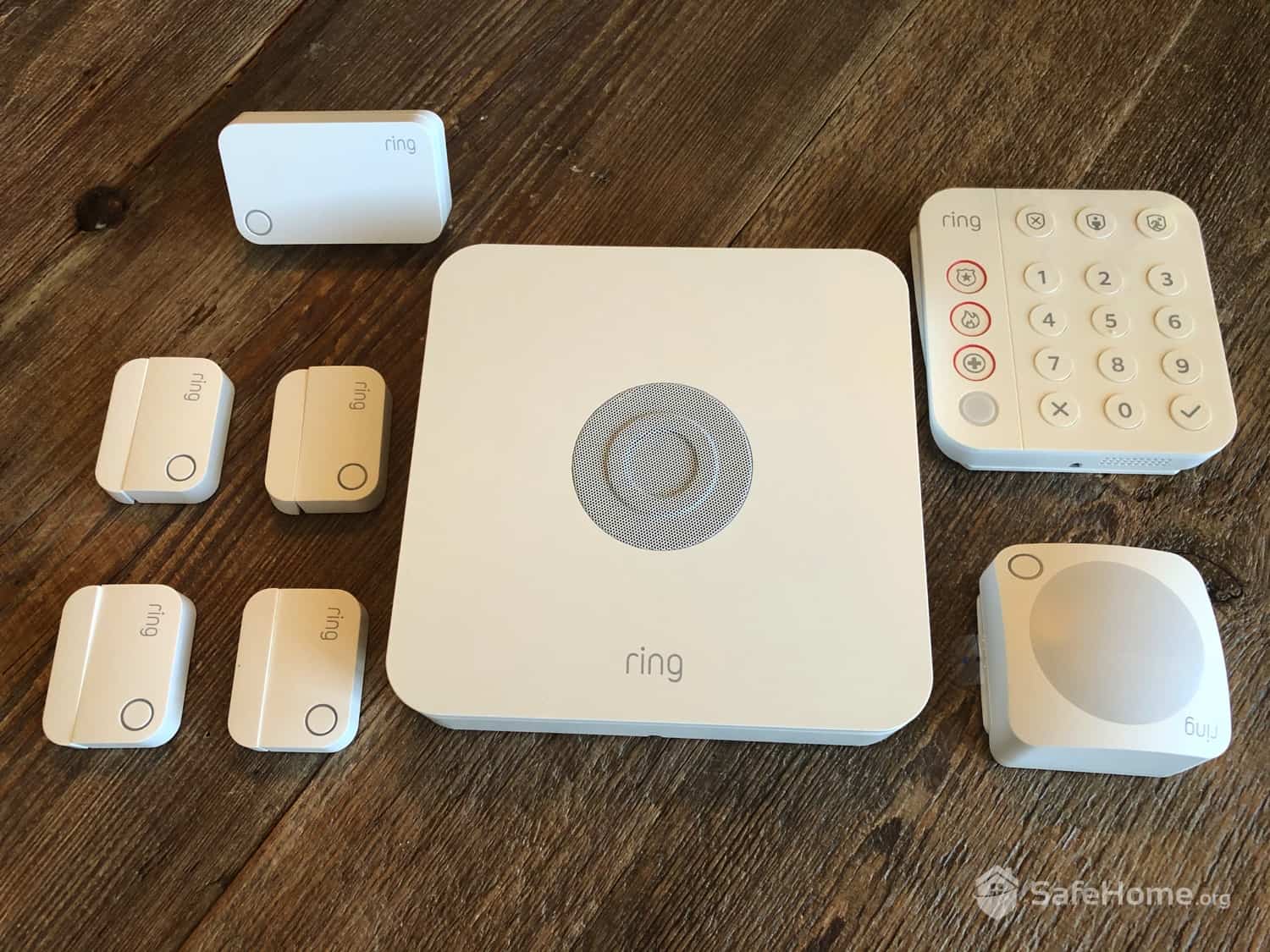
Ring Alarm (2nd Gen) Equipment
Ring and Arlo are both great companies that provide camera-based home security systems. The key similarities and differences we outline in this guide will help you to determine which one is the best choice for you.
We’ve tested both camera systems in-house for several days, and we have some interesting takeaways for you. So without further ado, let’s have a look at how they compare to find which one (if any!) is best for you and your budget.
Pro Tip: If you want a full home security system, Ring has the edge. The Ring Alarm Kits include intrusion sensors, door/window contacts, and a range of indoor and outdoor cameras — while Arlo focuses primarily on security cameras and video doorbells. That said, Arlo's cameras are genuinely impressive and worth a serious look if cameras are all you need.
Ring vs Arlo: Common Features
Our first order of business is to look over the features of both camera systems to get a good idea of their main advantages. Keep in mind the requirements or expectations that you have for your home security system so that you can determine which one is right for you. For example, if you live in an area that sees a lot of package theft, then ultra-sharp resolution and two-way talk are great features to have.
Ring Features & Tech
- Entry Sensors: Although we’re mainly concerned with Ring’s cameras for this guide, it’s worth mentioning that the company offers entryway sensors with the Ring Alarm. If someone attempts to break in through a door or window, the alarm will go off and you’ll be instantly notified in the Ring app. You can read more about the system in our hands-on Ring Alarm review.
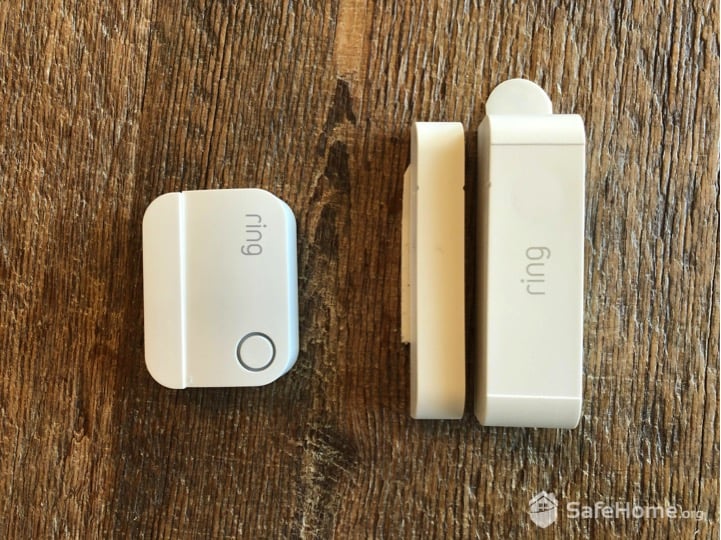
Ring Alarm Sensors
- Indoor/Outdoor Cameras: Ring sells security cameras that can be used indoors or outdoors. The outdoor cameras are built to last and can withstand harsh weather conditions, while the less-robust Ring Indoor Cam is meant to monitor the activity inside your home.
- Motion Sensors: Ring’s motion sensors detect movement within the range of the camera, triggering the camera to start recording and alert you of the activity. Look for this standard feature in all outdoor cameras and doorbell cameras.
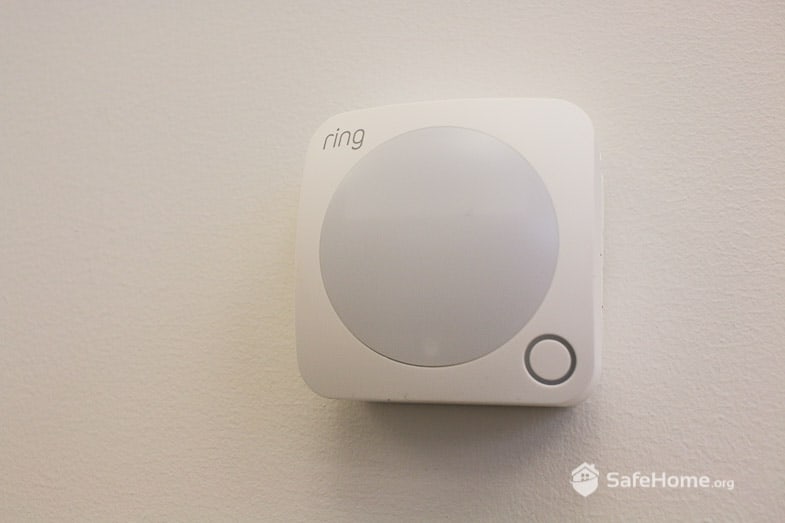
Ring – Motion Sensor
- Up to 4K Resolution: The latest Ring security cameras and video doorbells released at the end of 2025 feature up to 4K resolution. That’s the gold standard for video quality in the industry with over four times as many piels as 1080p HD resolution. We noticed this improved clarity most when zooming in on our camera feed as it never became blurry even when maxing out its 10x digital zoom.
- Night Vision: The best home security cameras come with night vision for nighttime viewing. This is important, especially in outdoor cameras, as you’ll be able to capture some detail of a would-be intruder, even in the cover of darkness. All of Ring’s cameras offer night vision.
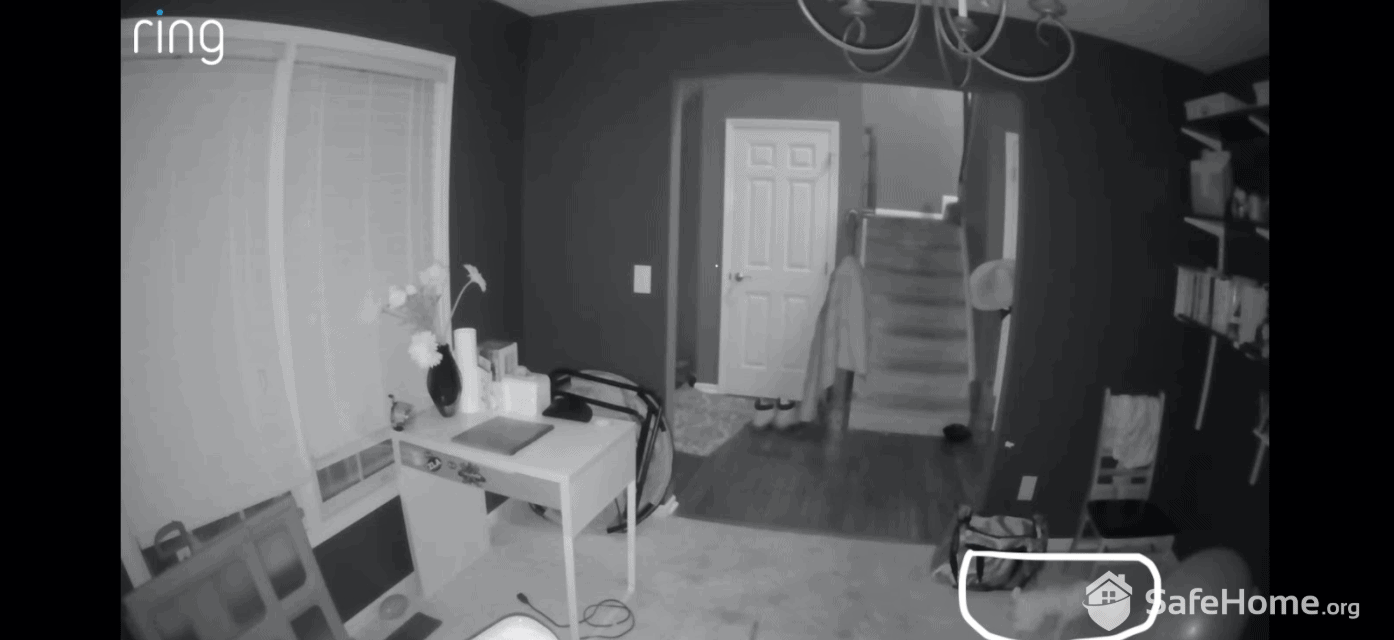
Ring Stick Up Cam Night Vision
- Environmental Hazard Detection: Ring offers environmental hazard detection such as fire or flooding sensors. After all, intruders are not the only threats that could affect your home. This is something that Arlo does not offer.
Pro Tip: We recommend environmental monitoring, especially for vacation homes or second homes. This way, if a fire or flood breaks out, you’ll be notified right away — even if you’re halfway across the country. Environmental monitoring could save you countless headaches and thousands of dollars in repairs.
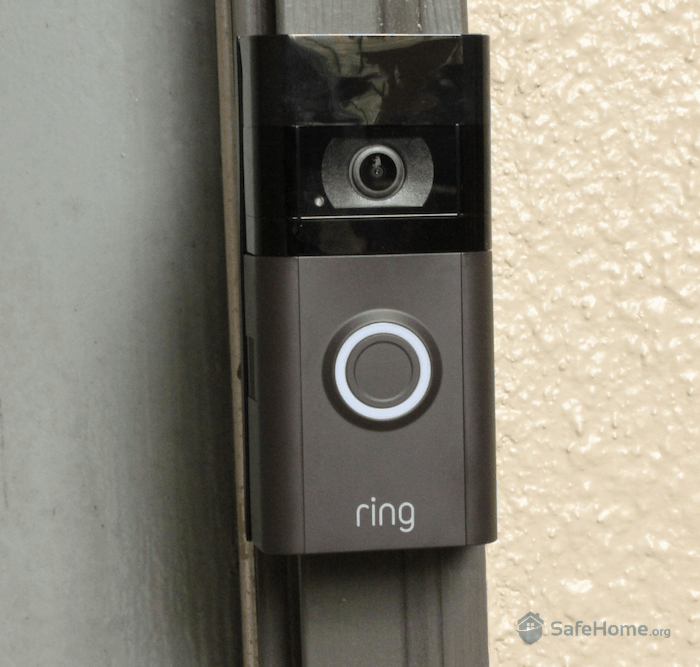
Ring Video Doorbell 3, Installed
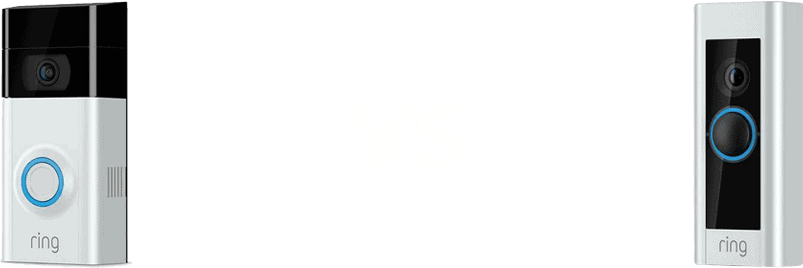
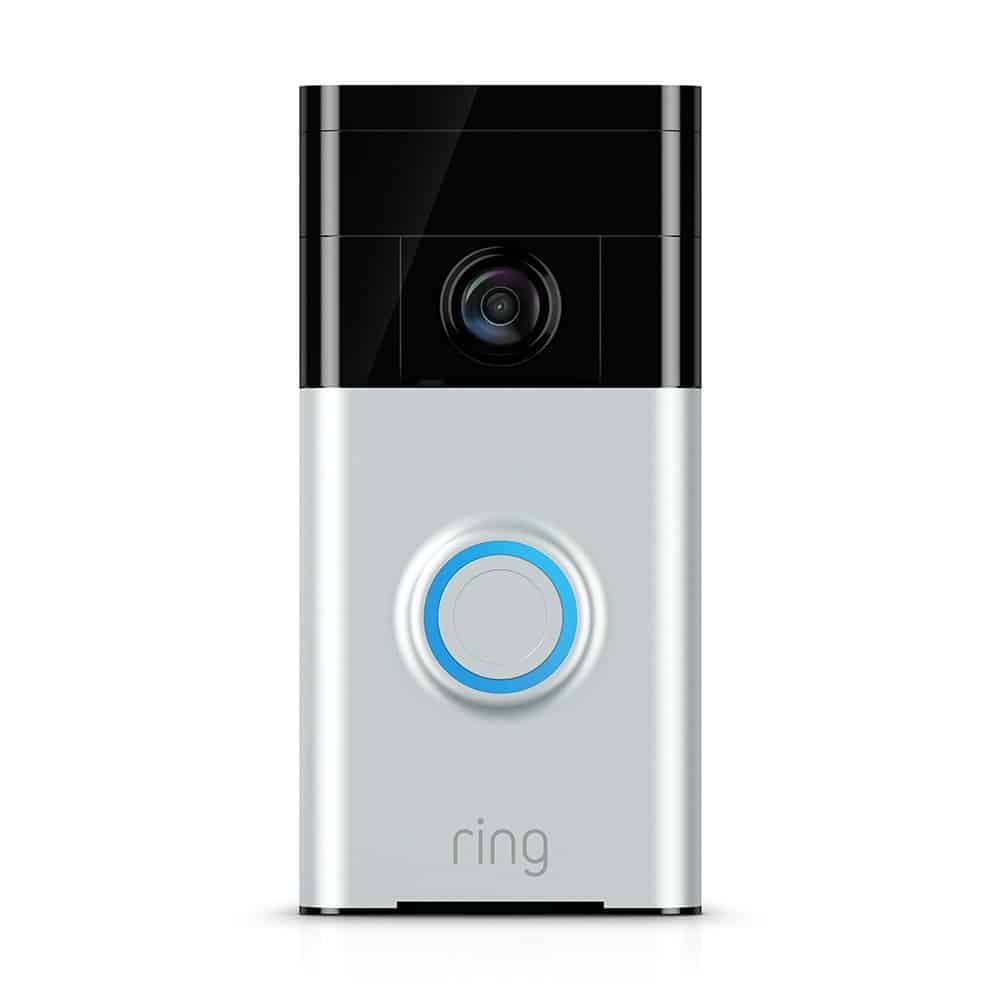
- Doorbell Camera: With a Ring Video Doorbell, you will be able to see a live video stream of the area surrounding your doorbell. Doorbell viewing allows you to see whether or not someone is at your door and what he or she is doing there. Doorbell view can also show you when packages arrive. Check out our full Ring Video Doorbell review to learn more.
- Home Automation Options: Ring home security systems also provide some options for home automation. You can use your key fobs or apps on your mobile device to operate your home’s lighting, locks, and the system itself. The Ring Alarm control panel runs on the Z-Wave protocol, meaning you can connect hundreds of third-party (Z-Wave compatible) smart home products to the system. Learn more in our Ring home automation guide.
Arlo Features & Tech
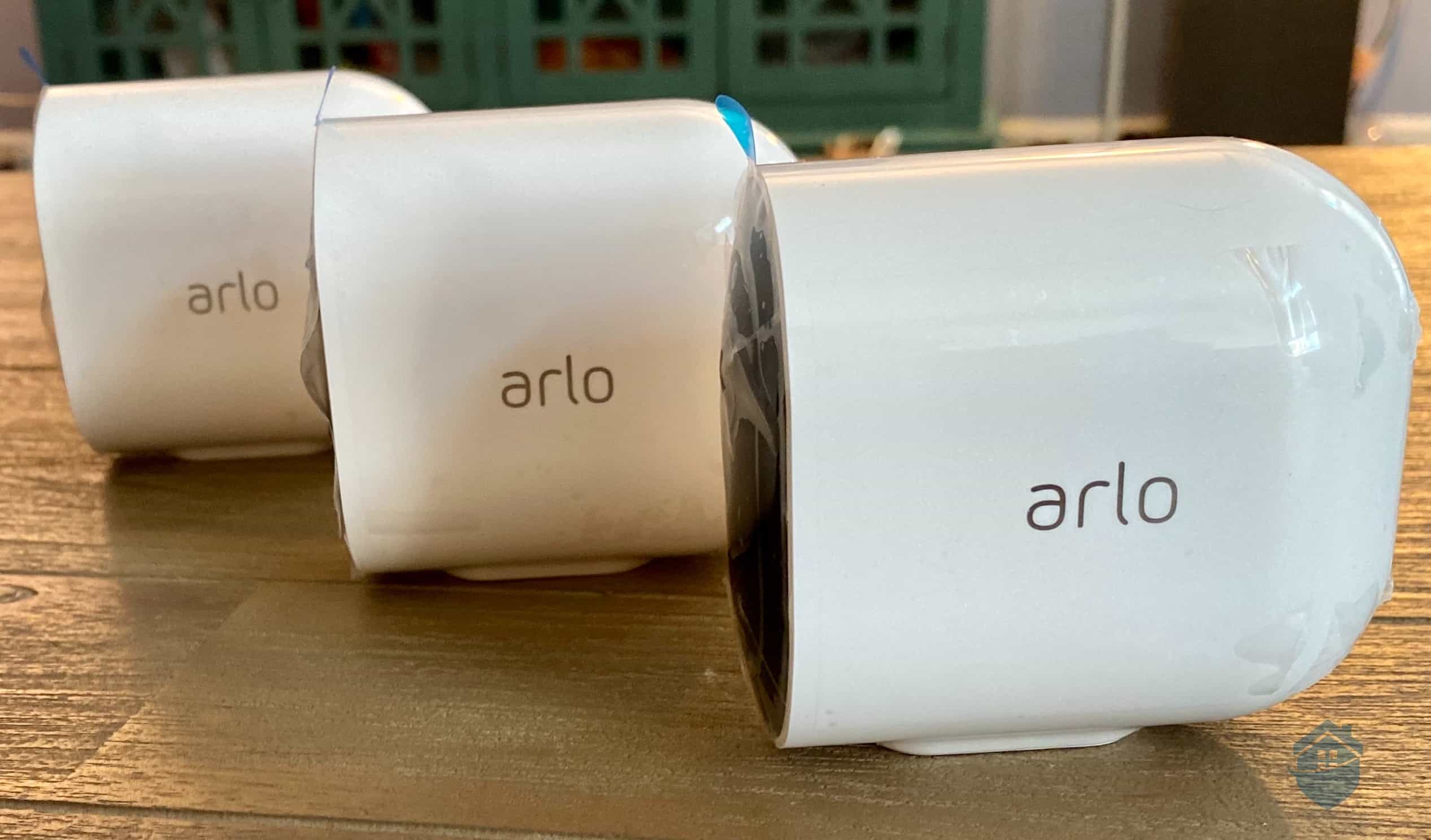
Arlo 3 Cameras
- Camera-Based Security: Arlo home security systems are 100% camera based. Having a camera-based system means that there are not a lot of other components to install or maintain.
- Indoor/Outdoor Devices: Arlo security cameras are indoor and outdoor compatible, meaning that the cameras are safe for use inside or outside of the home. In testing and reviewing the Arlo Pro 3, we found it to be one of the better outdoor cameras available.
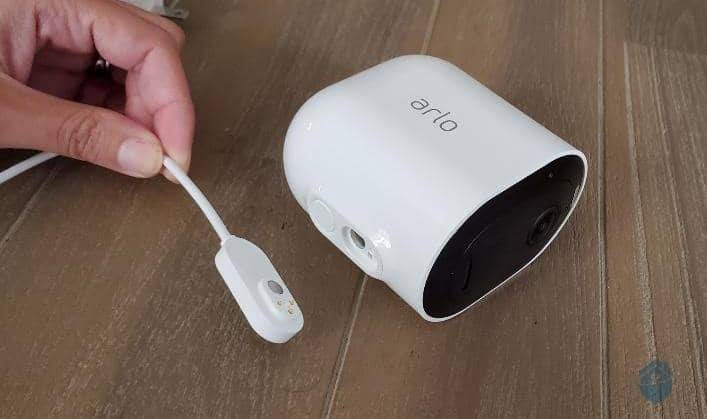
Arlo Pro 3, with magnetic charging cable
- Two-Way Talk & Night Vision: Similar to Ring’s cameras, Arlo offers a full-range of features like two-way talk and night vision. These features are becoming standard in the industry today, but they’re still important to have.
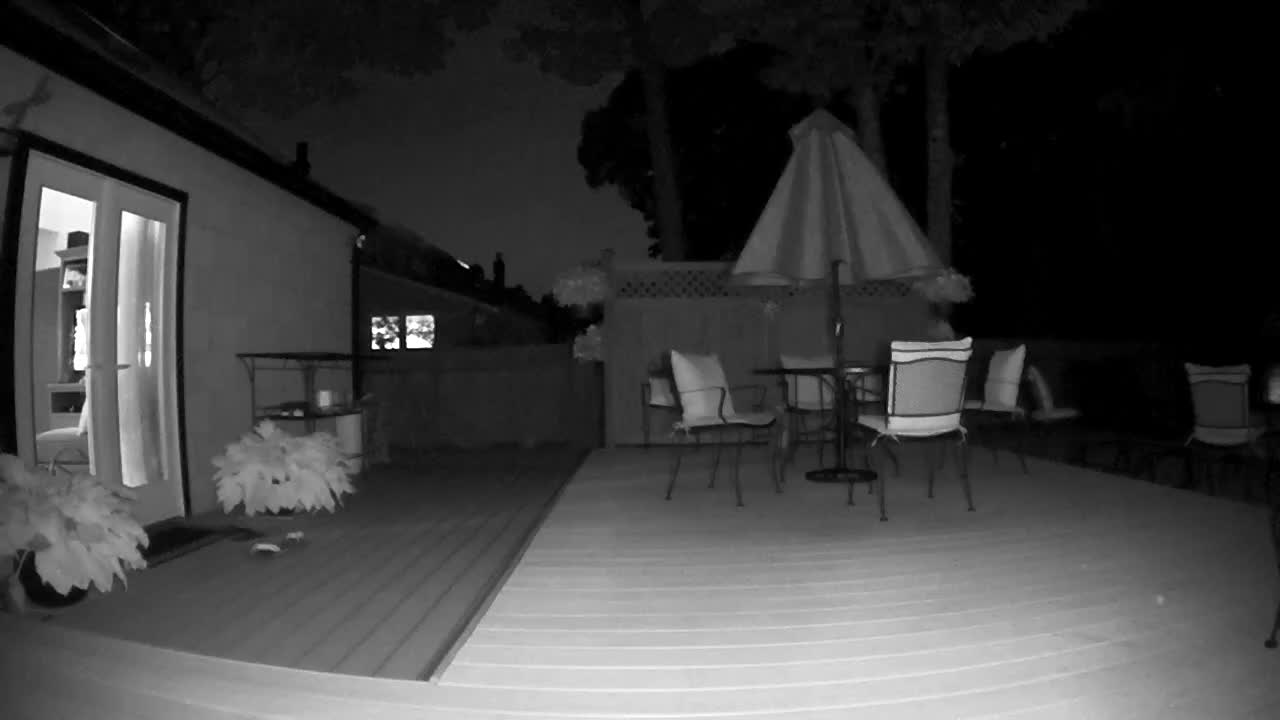
Arlo’s Infrared Night Vision
- Still-Capture Capable: Having the ability to capture still shots is basically like being able to take a screenshot of a frame in the video. You can use these shots to determine what happened or who was involved in an incident at your home.
- Cloud Storage: Arlo offers cloud storage to save the images and videos your cameras capture. It requires a subscription, but that’s standard across the industry.
Ring and Arlo Home Security Systems Differences
Although both Ring and Arlo home security systems provide video surveillance and home security, there are many differences between the two. Below are some of the main differences.
- Ring offers window sensors, door sensors, and environmental hazard detection, but Arlo does not.
- Arlo integrates with Amazon Alexa, Google Assistant, and Apple HomeKit for smart home compatibility. Ring also works with Alexa (unsurprisingly, given Amazon's ownership) but does not natively support Google Assistant or Apple HomeKit. It purely relies on Alexa routines and its own Ring ecosystem for home automation.
- Arlo cameras use magnetic brackets for easy mounting, while Ring cameras are to be mounted by screwing into your wall.
- Arlo’s camera selection is more extensive than Ring’s camera selection.
FYI: The key difference between Ring and Arlo is that Ring can protect your whole home with intrusion sensors and cameras. Arlo, on the other hand, only sells cameras (no entryway sensors… yet).
Similarities Between Ring and Arlo Home Security Systems
Here are some similarities that Arlo and Ring home security systems share:
- Neither Arlo nor Ring home security systems require long-term contracts. Users purchase the equipment upfront. This also means that there is no risk of damaging your credit due to missed monthly bills.
- Both systems are easy to install on your own. DIY installation means no installation fees or having to have a technician visit your home for professional installation.
- Ring and Arlo also both provide cameras that can be used indoors or outdoors. This means that you will not have to worry about utilizing cameras on the exterior of your home or in areas that are exposed to the weather. Both make high-quality, durable cameras.
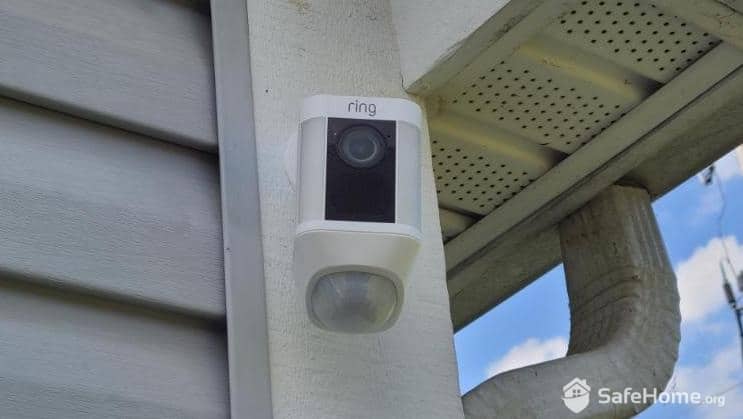
Ring Spotlight Camera
- Even though Ring and Arlo do not offer the same smart home automation options, they both offer something in this category. If you’re a smart home enthusiast, we recommend Ring over Arlo here.
- Both Arlo and Ring home security systems are completely wireless. Wireless systems are easy to install yourself without having to pay installation fees.
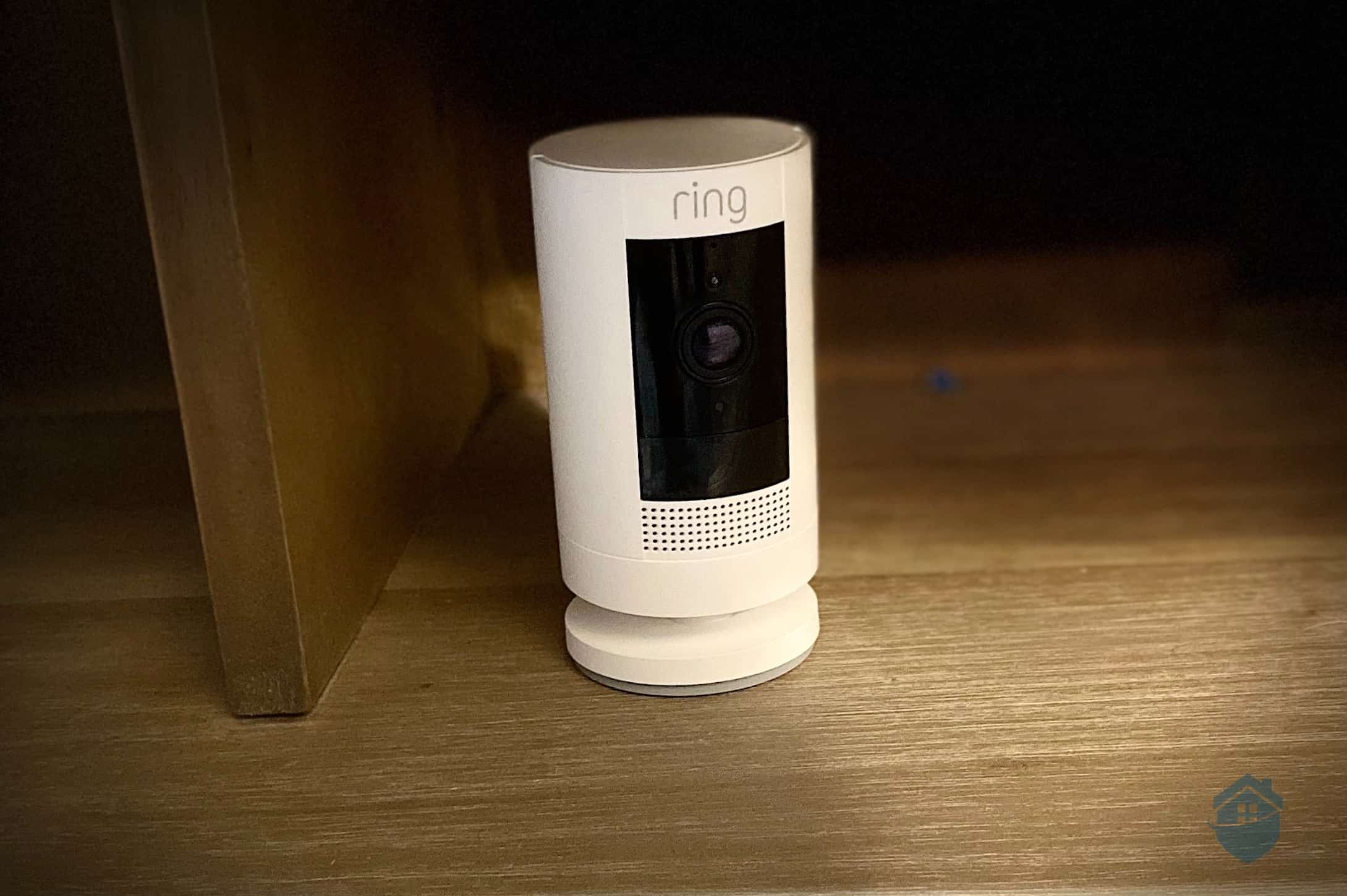
Ring Stick Up Cam
Ring vs. Arlo: Cost & Fees
If you’re trying to decide which home security system to buy, you’re probably wondering which is the better option for your needs, while also keeping in mind your budget. Let’s have a look at the cost of Arlo and Ring home security systems to see which is the better option for you.
The basic Ring Alarm package starts at $199.99, with cameras starting at $49.99. Cloud storage for one camera costs $4.99 per month or $9.99 per month for unlimited cameras. Ring also offers professional monitoring for its Ring Alarm system through the AI Pro plan that costs $19.99 per month. It also includes cloud storage for unlimited cameras as well as advanced AI capabilities for your cameras.
Did You Know? Both companies offer financing, allowing you to spread the cost of equipment over several months or years. This really helps to minimize the barrier to entry and allows the average Joe to get started protecting their home and family.
Overall, Arlo costs a bit more than Ring despite their cameras starting at a lower price point of $39.99. Since Arlo focuses on cameras, you’ll likely need more of them. Comprehensive protection typically costs $130 to $500. On top of the upfront costs, Arlo’s subscriptions also cost more starting at $7.99 per month for one camera, $17.99 per month for unlimited cameras, or $24.99 per month for unlimited camera cloud storage and professional monitoring.
Final Thoughts on Ring vs Arlo
You should always keep your expectations in mind when you are purchasing a home security system. Consider factors such as the number of cameras that you will need, whether or not you need entry sensors, and how comfortable you are with technology. Arlo and Ring have great camera-based systems available, and hopefully, this comparison has given you the information you need to make the best choice for your situation.
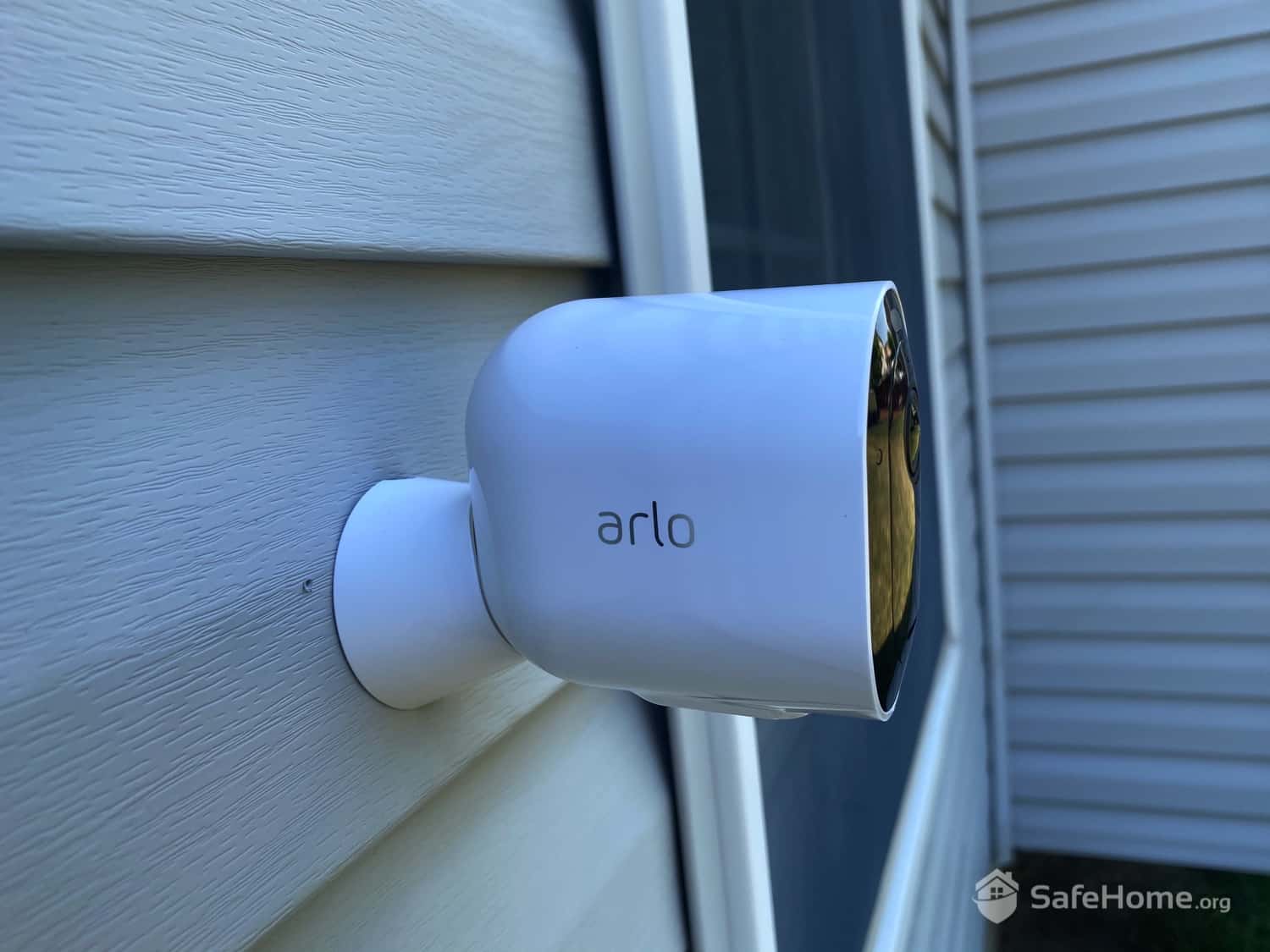
Arlo Pro 3 Mounted Outside
All things considered, Ring still beats Arlo when it comes to overall functionality and value. If you're already using Ring Alarm, pairing it with Ring cameras is a natural fit. That said, Arlo punches above its weight in camera quality and affordability for individual cameras. So if you only want video-based security and don't need a full sensor ecosystem, Arlo is worth the premium. Either way, you're in good hands — both are consistently top-rated options we'd recommend without hesitation.